Glycel Used in Agriculture
Modern agriculture depends heavily on effective weed management to ensure healthy crop growth and higher yields. One of the most commonly used herbicides in farming today is Glycel.
But what exactly is Glycel, and how is it used in agriculture? In this blog, we will explore its uses, benefits, application methods, and safety considerations.
Table of Contents
What Is Glycel?
Glycel is a systemic, non-selective herbicide widely used to control a broad range of weeds. It usually contains glyphosate as its active ingredient. Glyphosate works by inhibiting a specific enzyme (EPSP synthase) that plants need to grow. Once absorbed through the leaves, it moves throughout the plant, including the roots, and effectively kills the entire weed.
Because Glycel is non-selective, it can eliminate most types of vegetation it comes into contact with. Therefore, careful application is important to protect crops.

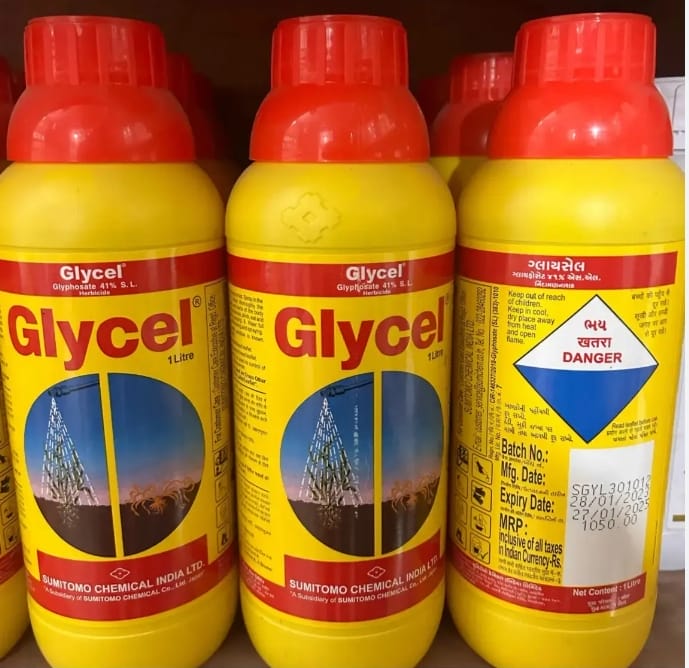
Main Uses of Glycel in Agriculture
1. Weed Control Before Sowing Crops

One of the primary uses of Glycel is pre-planting weed control. Farmers spray Glycel before sowing crops to clear the land of unwanted weeds. This ensures:
- Reduced competition for nutrients
- Better seed germination
- Improved soil preparation
- Higher crop yield
By eliminating weeds early, crops get a healthier start.
Also Read: Top 10 Machinery Used in Agriculture
2. Post-Emergence Weed Management
In some farming systems, especially in glyphosate-tolerant crops, Glycel is used after crop emergence to control weeds growing between rows. It helps in:
- Managing stubborn weeds
- Reducing manual labor costs
- Maintaining clean crop rows
However, caution is essential to avoid damage to non-resistant crops.
3. Orchard and Plantation Weed Control
Glycel is commonly used in orchards, tea gardens, and plantations to control weeds under trees. Since it is applied carefully to the ground, it reduces weed competition without harming mature trees. This is particularly useful in:
- Mango orchards
- Citrus plantations
- Coffee and tea estates
Weed-free surroundings help trees absorb nutrients efficiently.
Also Read: Turnip Cultivation: A Complete Guide for Successful Farming
4. Pre-Harvest Application
In some crops, Glycel may be used as a pre-harvest desiccant. It helps dry out weeds and crop residues, making harvesting easier. This practice is common in certain cereal and pulse crops.
However, farmers must strictly follow recommended guidelines to avoid residue issues.
5. Non-Crop Area Management
Glycel is also used in:
- Farm boundaries
- Irrigation canals
- Roadsides
- Storage areas
Keeping these areas weed-free improves farm hygiene and prevents the spread of invasive weeds.
Benefits of Using Glycel in Agriculture
1. Broad-Spectrum Weed Control
Glycel controls annual and perennial weeds, including grasses and broadleaf weeds.
2. Systemic Action
It kills weeds from root to tip, reducing regrowth.
3. Cost-Effective
Compared to manual weeding, Glycel saves labor and time.
4. Easy Application
It can be applied using knapsack sprayers, boom sprayers, or tractor-mounted equipment.
5. Improves Crop Yield
By reducing weed competition, crops receive more sunlight, water, and nutrients.
How to Apply Glycel Safely
To get the best results and avoid crop damage, follow these steps:
- Use the correct dosage as recommended on the label.
- Spray during calm weather to prevent drift.
- Avoid spraying on windy or rainy days.
- Use protective equipment like gloves and masks.
- Ensure weeds are actively growing for maximum effectiveness.
Proper timing and correct concentration are key factors in success.
Environmental and Safety Considerations
Although Glycel is widely used, responsible usage is essential:
- Avoid spraying near water bodies.
- Do not overuse to prevent resistance development.
- Rotate herbicides to manage resistant weeds.
- Follow local agricultural regulations.
Sustainable use helps protect soil health and the surrounding ecosystem.
Conclusion
Glycel plays a vital role in modern agriculture by providing effective and economical weed control. From pre-sowing land preparation to orchard maintenance, its applications are wide-ranging. When used responsibly and according to recommended guidelines, Glycel helps farmers increase productivity, reduce labor, and maintain cleaner fields.
However, like any agricultural chemical, it should be handled carefully to ensure crop safety, environmental protection, and long-term sustainability.
Frequently Asked Questions (FAQ)
1. What is Glycel mainly used for in agriculture?
Glycel is mainly used for controlling weeds in crop fields, orchards, plantations, and non-crop areas.
2. Is Glycel selective or non-selective?
Glycel is a non-selective herbicide, meaning it can kill most types of plants it comes into contact with.
3. Can Glycel be used before planting crops?
Yes, it is commonly used before sowing crops to clear weeds and prepare the field.
4. How long does Glycel take to kill weeds?
Visible effects usually appear within 4–7 days, while complete weed death may take up to 10–14 days.
5. Does Glycel affect soil fertility?
When used correctly, Glycel does not significantly affect soil fertility because it binds to soil particles and breaks down over time.
6. Is Glycel safe for crops?
It is safe when used properly and not sprayed directly on non-resistant crops.
7. Can weeds become resistant to Glycel?
Yes, repeated overuse can lead to herbicide resistance. Crop rotation and integrated weed management help prevent this.
Also Read: Glycel –
8